
No Queue, No General Sale: How the Oasis Ballot Worked
The Live '27 ballot had no queue and no general sale at all. Non-transferable codes, three daily windows and held back barcodes ran the whole sale.
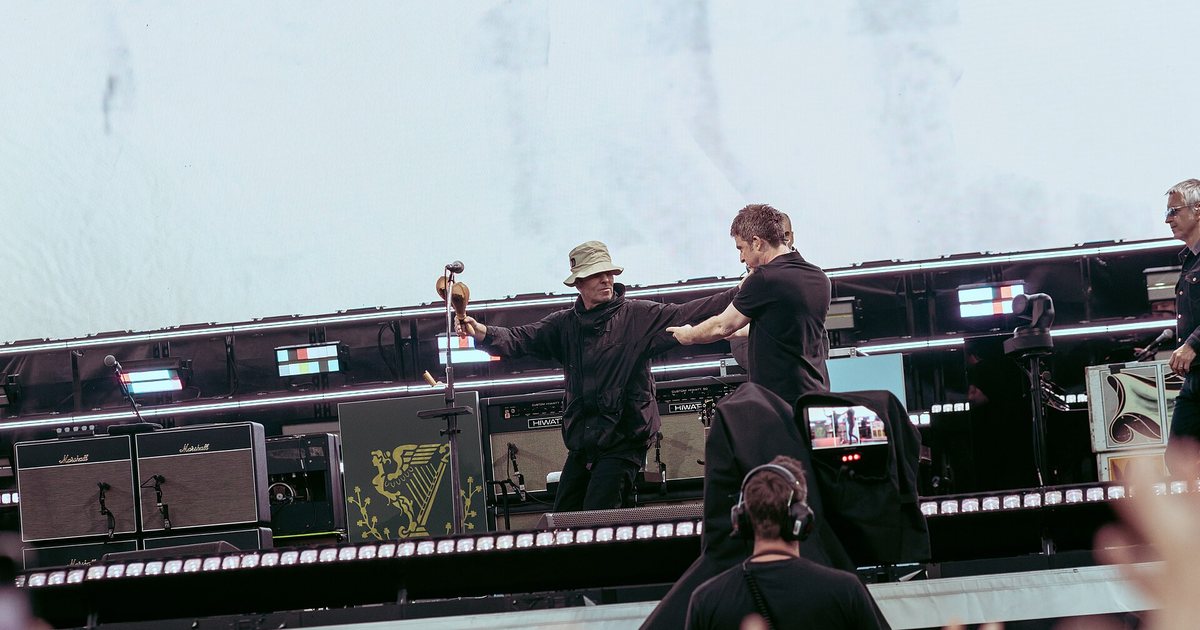
Live ‘27 had no queue and no general sale at any point. Oasis sold every ticket through a registration ballot at oasisinet.com. Only fans with a ballot code could buy during the sale weekend.
Registration ran through the Openstage platform. The window closed at 4pm BST on Thursday 17 September 2026. Fans registered their details and answered one knowledge question.
The question asked: “Which Oasis album was released in 1995?” The answer is (What’s the Story) Morning Glory?, the band’s second album. The question filtered casual traffic and rewarded actual fans.
Successful fans received codes by email from Thursday 24 September. Each code stayed non-transferable and tied itself to one Ticketmaster account. A code in the wrong inbox held no value at all.
Three windows a day, three days running
Sales ran in three windows a day across the weekend. Code holders bought on Friday 25, Saturday 26 and Sunday 27 September 2026. The staggered windows spread demand and killed the single morning stampede.
The US sale ran on Friday 25 September only. Boston windows ran in Eastern Daylight Time, at 11am to 1pm, 2pm to 4pm and 5pm to 7pm. Gillette Stadium buyers got one day and three chances.
Meanwhile, Ticketmaster held the barcodes back after purchase. Buyers saw no barcode in their accounts at the point of sale. The holdback stopped anyone touting tickets before the platform ran its limit checks.
That design closed the usual tout loopholes in sequence. Codes blocked bulk registration, windows blocked server stampedes, and held barcodes blocked instant resale. The Oasis ticket prices page shows what code holders paid at each venue.
For context, the system answered the chaos of August 2024. The Live ‘25 sale produced huge queues and angry headlines about pricing. Fans praised the 2026 ballot as far calmer from the first window.
On the practical side, the ballot now shapes everything after the sale. Fans without codes hold one route back in: official resale. The Oasis resale tickets guide explains that route in full.
In practice, the registration question did more than filter bots. The Morning Glory question rewarded fans who know the catalogue beyond the singles. Casual resellers chasing stock faced a quiz built for the fanbase.
By contrast, the 2024 sale let anyone join one enormous queue. That open door produced the chaos that defined the Live ‘25 ticket story. The ballot replaced the queue with a door list and a knowledge check.
The scale justified the machinery behind the sale. More than 11 million people registered for about two million tickets. Any open sale would have collapsed under that weight within minutes.
Worth noting: unsuccessful fans received no consolation route at the time. A fan without a code simply watched the windows close across the weekend. Their only path back runs through official resale during 2027.
The system also protected prices from the first minute. Fans paid published face values inside their windows, with no tier surprises at checkout. That fixed ladder now anchors every resale listing on the tour.
Openstage handled the registration mechanics behind the scenes. The platform collected details, posed the question and fed successful fans toward their Ticketmaster accounts. Fans saw a simple form, while the machinery underneath carried 11 million registrations.
Fans without a code by sale morning knew their answer. Silence carried the bad news for millions of registered fans that weekend. No code meant no window, and no window meant resale or nothing.
The Oasis tickets hub keeps the complete sale record in one place. Registration dates, window times and prices all sit on that page. Fans who missed out should start there, not with search results full of touts.