
Oasis Sue to Halt Auction of 63 Unheard Live Shows
Oasis filed High Court proceedings to stop the auction of 63 unheard live shows and over 100 hours of rehearsal tapes held by engineer Huw Richards.
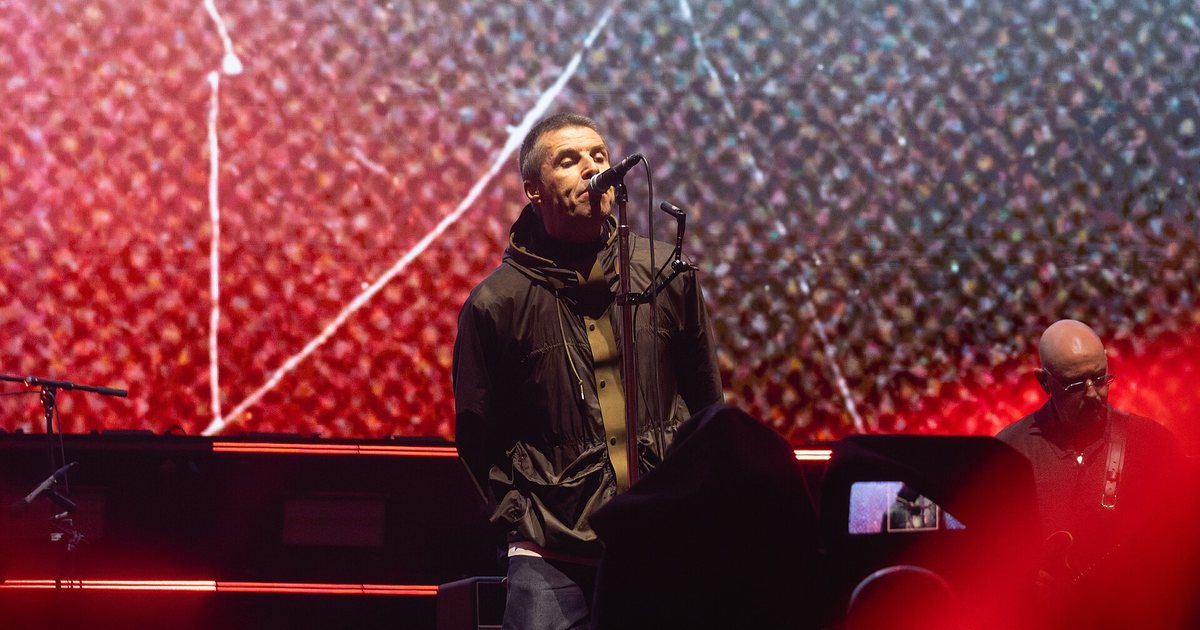
Oasis filed High Court proceedings on 29 September 2026 to stop an auction of unheard live recordings. Littleton Auctions had planned the sale for 3 October. The archive came from Huw Richards, an engineer who worked with the band from 1994 to 2001.
The archive held recordings of 63 live shows, plus soundchecks. Rehearsal material ran past 100 hours on its own. Fans call recordings taken straight from the mixing desk desk tapes, and collectors prize them highly.
Put simply, desk tapes capture the mix the engineer hears on the night. They carry little crowd noise, so voices and guitars sit close and dry. Bootleg collectors rate them above audience recordings for exactly that reason.
Richards worked with the band through their fastest rise. He joined the camp in 1994, the year Definitely Maybe landed. He stayed until 2001, across the Knebworth era and four studio albums.
The years in question cover the band’s entire first act. Richards captured the club circuit, the Knebworth peak and the stadium years that followed it. Few private archives follow one band across that whole arc so closely.
For context, the physical archive filled boxes. It ran to 209 DAT tapes, 73 analogue cassettes and 3 MiniDiscs. One part of the collection drew more attention than all the rest.
Above all, collectors believe the collection holds the only surviving recording of the 1996 Loch Lomond show. That show sits in the band’s breakthrough summer, weeks before Knebworth. A complete recording would give fans a new window on the era.
Oasis filed the claim against Richards, his son Owain and the auction house. The band took the case to the High Court in London. An injunction then froze the tape lots before the sale.
Owain Richards confirmed the case in plain terms: “It is true that Oasis have sued me and my father”. Auction managing director Ben Homer explained the withdrawal in similar language. He said the tapes were “withdrawn from our October 3 auction in light of legal proceedings”.
Meanwhile, the rest of the sale went ahead without the tapes. Original setlists and tour itineraries sold as planned. A Kangol tour parka and a band-played Epiphone guitar also found buyers.
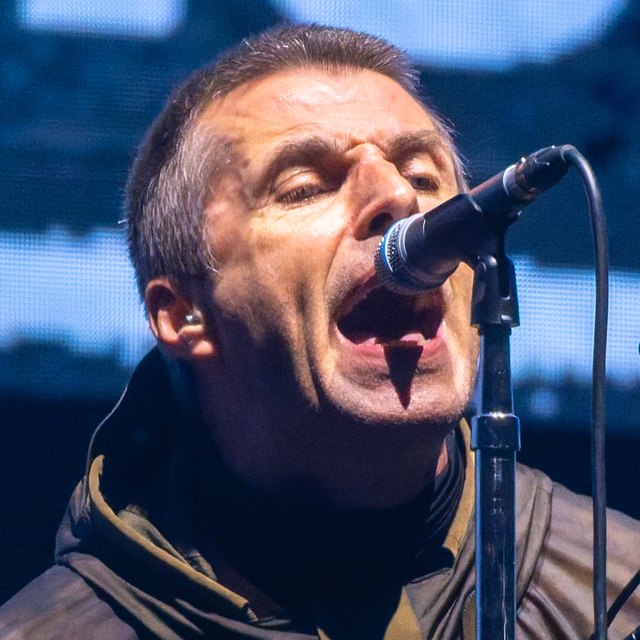
Liam Gallagher on stage. Photo: Raph_PH, CC BY 4.0, via Wikimedia Commons.
Why the band guard these tapes so closely
The Guardian explained the legal logic behind the fight. Buyers could not commercialise the recordings without Oasis, who retain the intellectual property. A buyer would own tape, not the music recorded on it.
That said, the archive clearly matters to collectors and historians. Early soundchecks capture the band shaping songs long before release. Rehearsals from 1994 to 2001 cover the whole classic run, from club hopefuls to the biggest band in Britain.
Bootleg culture kept early Oasis circulating for years. Fans traded grainy tapes long before streaming existed. A clean desk recording from 1996 would outclass every bootleg in circulation, which explains the courtroom urgency.
Still, the case may yet help the historians. Court filings force both sides to catalogue the archive in careful detail. A full inventory could surface recordings that nobody knew existed until now.
For now, the court process decides what happens next. The injunction keeps the tapes off the market in the meantime, and nobody outside the case has stated a timetable. Fans who dream of hearing the Loch Lomond show must wait for a ruling.
The episode shows how much unseen Oasis material still sits in private hands. Our setlist tracker records what the band played on the nights fans know well. The Oasis lineup page covers the musicians who made those tapes, and our Oasis history page maps the years they document.