
Wonderwall Became England's World Cup Anthem
England fans turned Wonderwall into the team's World Cup anthem, and the song climbed back to No.2 on the Official Singles Chart in July 2026.

England fans adopted Wonderwall as the team’s World Cup anthem this summer. The song followed the team from the group stage to the semi final. It then climbed back to No.2 on the Official Singles Chart.
The adoption started after England beat Croatia 4-2 in the group stage. Fans sang the song in stadiums and fan zones from that night on. Harry Kane called singing it one of his favourite moments in an England shirt.
Players and fans adopted the song together, which rarely happens at a World Cup. Terrace anthems usually stay with supporters, while squads pick their own music for the bus. Wonderwall crossed that line during the summer, from the stands into the squad itself.
For his part, Kane spoke about the song like a fan, not a captain reading lines. His praise gave the story a second life across the sports pages. A dressing room anthem became a national storyline within the same week.
The chart peak arrived in the week ending 23 July 2026. Wonderwall matched the No.2 peak it first reached back in 1995. The semi final loss to Argentina came days before that chart week closed.
The song now holds 5.6 million UK chart units. That total makes Wonderwall the biggest British single never to reach No.1. Three decades of near misses now define its chart story, and fans wear the stat like a badge.
The chorus needs no lyric sheet or big screen prompts. Fans who never bought the album know every word from radio and terraces. That instant recall turns a pop song into a terrace anthem within days.
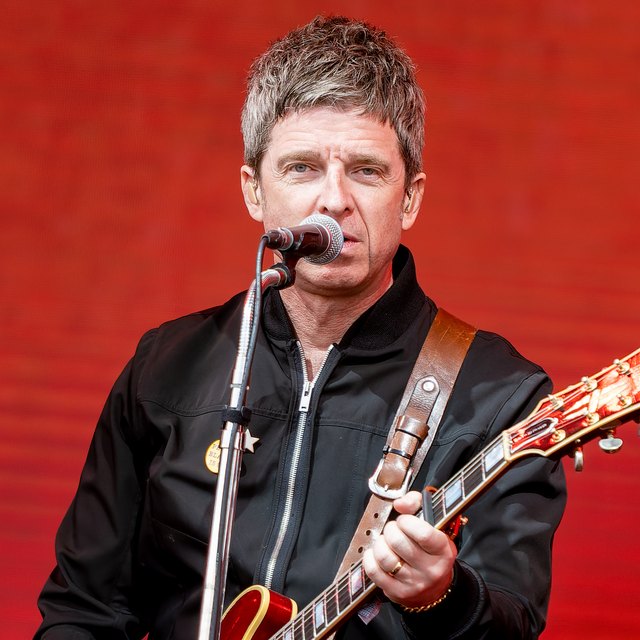
Noel Gallagher on stage. Photo: Raph_PH, CC BY 2.0, via Wikimedia Commons.
The streaming surge behind the chart return
Streams drove the return as much as sales did. Fans played the song 3.8 million times on Spotify on the Sunday after the Norway quarter final. UK listeners accounted for 379,000 of those plays in a single day.
Meanwhile, the song also returned to the Billboard Hot 100 across the Atlantic. It had last appeared on that American chart in 1996. American listeners joined the surge during the tournament run, thirty years after the song first crossed over.
Noel Gallagher backed The Sun’s campaign to push the song higher. He gave the campaign five words: “Wonderwall belongs to the people”. The writer of the song rarely blesses chart campaigns, which made the line travel fast.
For context, football crowds rarely adopt a thirty year old album track. Wonderwall dates from 1995 and sits on (What’s the Story) Morning Glory?. A new generation of England fans claimed the song as their own this summer.
The No.2 peak ties the song’s history into a neat loop. Wonderwall first reached No.2 in 1995 and stopped at the same place in 2026. Few singles repeat a peak across thirty one years at the top level.
Still, the strangest part of the story remains the song’s age. Wonderwall is older than most of the England squad that sang it all summer. Its parent album predates streaming and social media entirely.
That said, the anthem never carried England to the trophy. Argentina ended the run in the semi final. The song outlasted the campaign and kept climbing after the football stopped.
Noel wrote Wonderwall as an album track back in 1995, never as a terrace chant. Thirty one years later, a national team adopted it without asking anyone. That gap between intention and outcome explains the story’s charm for most fans.
Meanwhile, the song now holds two jobs at the same time. England supporters treat Wonderwall as terrace property after this summer’s run.
Oasis crowds treat the same song as a birthright at every stadium show. Few songs survive both loyalties intact.
Fans will hear the song in stadiums again next summer. Wonderwall anchors the expected Live ‘27 setlist on our tracker page. The Oasis lineup page covers the band, and our Wonderwall song page tells the song’s full story.