
How the CMA Fight Changed the Way Live '27 Tickets Sold
The CMA probe into the 2024 Oasis sale found no dynamic pricing, but it forced clearer prices that shaped how Live '27 tickets sold in 2026.
Live ‘27 ran on fixed prices, published in advance, because a regulator forced the change after 2024. The Competition and Markets Authority closed its probe into the Live ‘25 sale in September 2025, and its findings shaped everything about the 2026 sale.
The probe cleared the band on the biggest charge first. The CMA found no dynamic pricing in the 2024 sale, so no algorithm raised prices while fans waited in the queue. Fans paid fixed prices from the moment the sale opened.
Ticketmaster still broke the rules on clarity. The CMA found the company sold standing tickets at two price tiers without telling queuing fans. Thousands reached the front of the queue and met a higher price than the one they expected.
That failure produced binding undertakings, not just advice. Ticketmaster must now label every price tier accurately before a sale starts. The company must also explain queue pricing in plain language while fans wait.
Meanwhile, the notice rule changed the calendar for every big sale. Ticketmaster must give fans 24 hours of notice before tiered pricing appears in any sale. Promoters can no longer spring a second, higher tier on a queue mid-sale.
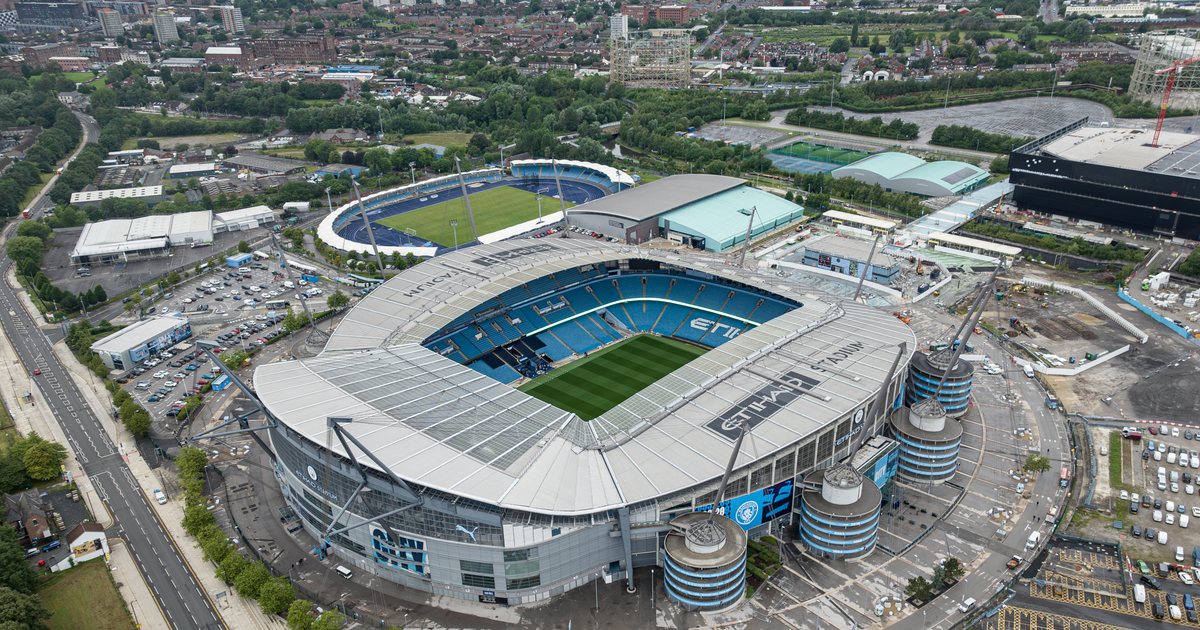
Fans felt the difference across the Live ‘27 weekend. SJM Concerts and Live Nation published the full Live ‘27 face values before the ballot windows opened. Every buyer knew the exact price ladder for Celtic Park, Etihad Stadium and Knebworth Park in advance.
In August 2024, fans queued online for hours during the Live ‘25 sale. Many fans met the second, higher standing tier only at checkout, after hours of waiting with a cheaper price in mind. Screenshots of that moment filled social media across the sale weekend.
The ballot design did the rest of the work. Registration codes tied each purchase to one Ticketmaster account, and the sale ran in set windows across 25 to 27 September. The Live ‘27 ticket sale had no general onsale and no public queue at all.
The 50,000 cancellations behind the rules
For context, the enforcement story started long before the probe closed. During the 2024 sale, Live Nation and SJM cancelled more than 50,000 tickets that had surfaced on unauthorised resale sites. That figure covered roughly 4 percent of the entire Live ‘25 sale.
Those cancellations taught promoters a hard lesson about control. A ticket that reaches Viagogo or StubHub at a markup breaks the band’s face value promise. The 2026 systems, from ballot codes to barcode holdbacks, all exist to stop that leak earlier.
That said, the CMA never fixed the resale market itself. Secondary sites still list Live ‘27 tickets at several times face value today. The band warns that tickets bought on those sites risk cancellation at the gate.
Fans hold one safe route instead. Official Oasis resale runs through Ticketmaster, plus Twickets in the UK, and both cap prices at the original price paid. Every spare ticket returns to another fan at face value, with no profit for the seller.
Beyond Oasis, other major artists still sell with dynamic pricing in several markets today. The Oasis undertakings bind Ticketmaster’s conduct on tier labels and notice, not the pricing models of rival promoters. Fans should still read every tier label carefully before they pay for any major show.
Fans who bought in 2024 keep one lasting benefit from the fight. Their experience wrote the rulebook that governed the 2026 windows. Clear tiers, published prices and a ballot replaced the queue that caused the harm.
In practice, the 2024 fight bought fans a calmer 2026. Prices stayed fixed, tiers carried honest labels, and the ballot replaced the queue. The regulator changed the sale, and the sellout changed nothing about the rules fans must follow now.