
Oasis Songs On Film And Television Soundtracks Guide
Oasis songs reached film, television, and live vigils, from Snatch to Our Friends in the North, and each placement still carried the band further.
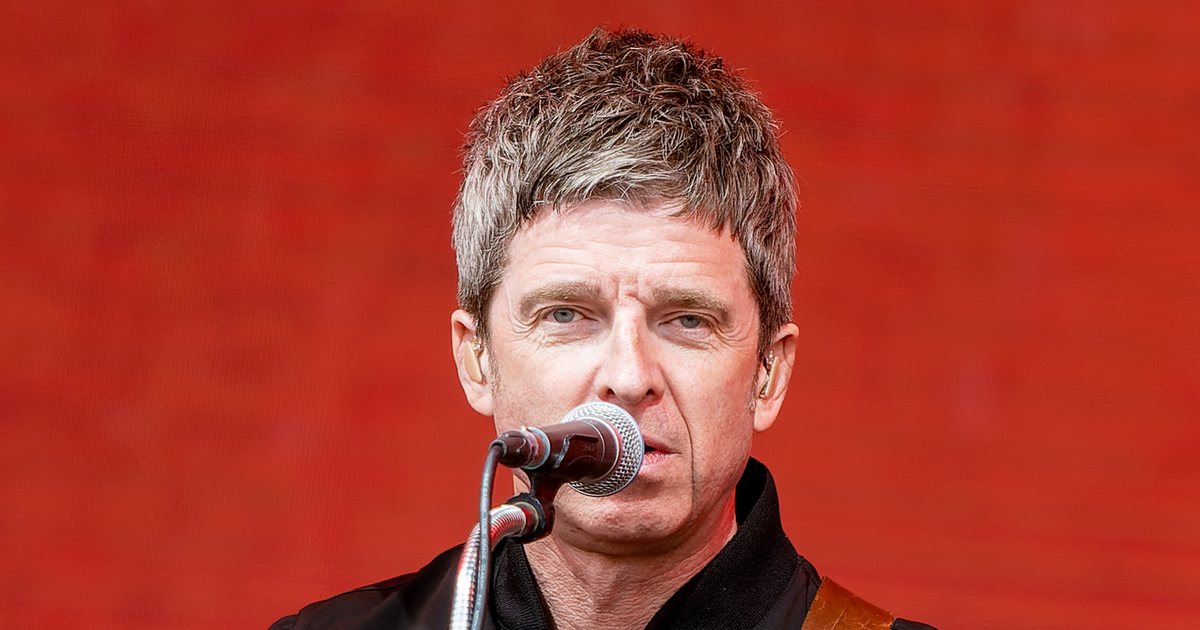
Oasis songs travelled far past the charts, and film and television carried them to new audiences. A single placement could reframe a song, and a television moment could give it a second life.
For context, our Oasis history covers the band from the early years onward. Our 1996 Knebworth story covers the shows that later reached cinemas as a film. Our Oasis lineup covers the band behind the songs.
A title borrowed from film
First, the Wonderwall story starts with film before the song itself. The title came from the 1968 film Wonderwall, and George Harrison had supplied music for that film.
Next, the Oasis song took that title in a new direction, and it became a global singalong. Its video won British Video of the Year at the 1996 Brit Awards. The win fixed the song in the visual culture of the decade.
Meanwhile, the song kept travelling through covers and buskers, and it stayed in daily use for decades. The film link gave the title its start, and the song then outgrew that start completely.
Television gives a song a second scene
Then Don’t Look Back in Anger found its first television moment in March 1996. The song soundtracked the final scene of the last episode of the BBC series Our Friends in the North.
The placement closed a long running drama with a new hit, and viewers linked the song to that ending for years. Noel Gallagher had first played the song at Sheffield Arena on 22 April 1995, and the single followed on 19 February 1996.
In addition, the song reached number one in the UK, and it became a staple of the live set. Television did not create the hit, but it gave the hit a visual memory that fans still recall.
Snatch and the big screen punch
Next, the band reached the big screen through Guy Ritchie’s film Snatch in 2000. The opening track of Standing on the Shoulder of Giants featured in the film, and the placement matched its driving rhythm to the action.
Then the film carried the track to viewers who had never bought an Oasis record. The track worked as an instrumental force in the film, and it gained a life apart from the album.
Meanwhile, the placement showed how Oasis music could drive a scene without a vocal hook. Directors valued the rhythm and the attitude, and the band gained screen credibility from the choice.
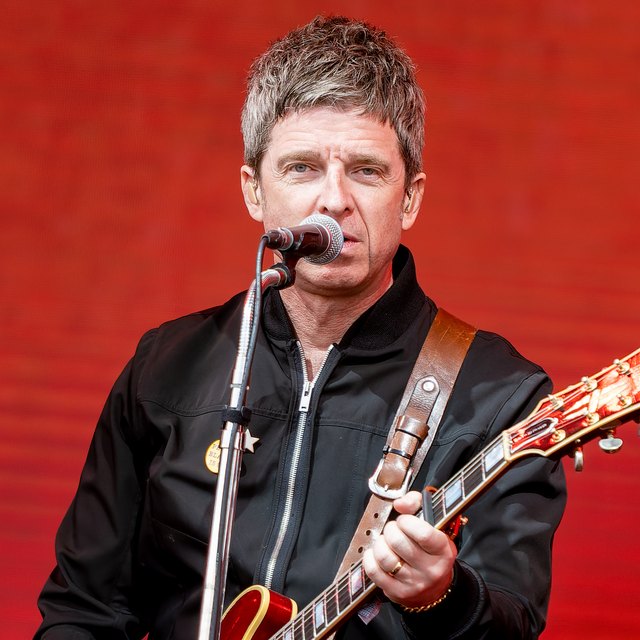
Noel Gallagher on stage. Photo: Raph_PH, CC BY 2.0, via Wikimedia Commons.
A song becomes a city anthem
First, the Manchester story changed what Don’t Look Back in Anger means in public life. After the Manchester Arena attack in May 2017, a crowd sang the song at a vigil in St Ann’s Square.
Next, the singing followed a minute of silence, and it spread through the crowd without a stage. The Guardian reported that one voice started the song, and others joined in at once.
Then Noel Gallagher led the song at the arena reopening benefit in September 2017. He sang it to 14,000 people inside the venue, and the moment closed the circle from vigil to stage.
In addition, the song took on a civic role that no chart position could grant. It became a shared voice for grief and resolve, and it still carries that weight at live shows.
Radio, TV, and the long afterlife
Still, broadcast data shows how deep the catalogue runs on radio and television. PPL ranked Don’t Look Back in Anger as the most played Oasis song on UK radio and TV in the 21st century.
Wonderwall ranked second in the same PPL list, and She’s Electric ranked third. PPL found Oasis songs played about 120 times per day on average across UK radio and TV.
Next, the screen afterlife grew again with two concert films. The film Oasis Knebworth 1996 reached cinemas in 2021, and it told the 1996 weekend through fans and archive footage.
Then the documentary Oasis Don’t Look Back in Anger reached UK cinemas in September 2026. It followed the 2025 reunion tour, and it featured concert footage and a joint interview with the brothers.
For fans, the lesson runs clear across film, television, and radio alike. Our Oasis tours history tracks the live story behind these songs, and the screen story runs beside it.
In short, Oasis songs did not stay on albums alone, and each placement added a new audience. The songs now belong to films, to television endings, and to a city that sang them back.