
Oasis 1995: The Year Morning Glory Conquered Britain
Oasis turned 1995 into a breakthrough year with a first UK number one, a Glastonbury headline slot, Morning Glory in October, and two Earls Court nights.
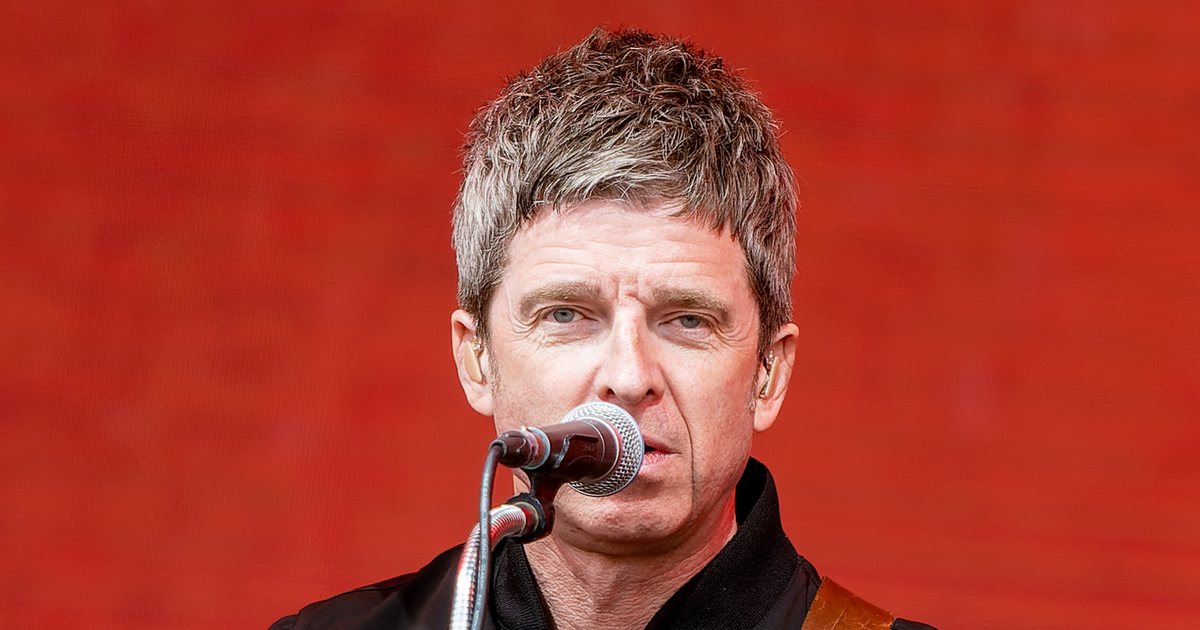
Oasis turned 1995 into a breakthrough year, and the band moved from rising act to chart topping headliner in months. A first UK number one arrived in April, a Glastonbury headline slot followed in June, and a landmark album arrived in October. Two Earls Court nights then closed the year at full scale.
For context, 1995 still shapes how fans argue about Live 27 today. The band released its defining songs that year, and those songs still anchor reunion setlists. Only Liam and Noel Gallagher carry confirmed billing by name for Live 27, so fans should keep every other name out of any predicted lineup.
A first number one in April
Oasis released Some Might Say on 24 April 1995 as the first single from their second album. Official Charts records the single at number one on the Official Singles Chart on 30 April 1995. The single held the top spot for one week, and it displaced Take That from number one.
Meanwhile, the chart win gave Oasis a clear national breakthrough. The band had built a strong debut year in 1994, and our Definitely Maybe guide covers that debut album in full. The April number one turned that promise into a chart fact, and radio and press attention grew fast after it.
Glastonbury headline slot in June
Oasis headlined Glastonbury Festival in June 1995. The headline slot placed the band on the main stage at the biggest festival in Britain. Our Glastonbury guide covers the festival story in full, and it places the 1995 headline show in context.
First, the headline slot showed how fast the band had risen. Oasis had played a smaller stage at Glastonbury only one year earlier. The band then returned as headliner, and the crowd treated the set as a coronation for a new British guitar band.
For context, the Glastonbury set also previewed new material from the second album. Fans heard fresh songs before the album arrived, and the performance built demand for the October release. The festival moment therefore linked the spring chart win to the autumn album campaign.
Morning Glory arrives on 2 October
Oasis released Morning Glory on 2 October 1995 through Creation Records. Noel Gallagher wrote the songs, Owen Morris co produced the album, and Liam Gallagher sang lead. Our Morning Glory guide covers the album track by track, so this piece keeps the album story brief.
Next, the album gave Oasis a set of songs that still define the band today. Wonderwall, Don’t Look Back in Anger, and Champagne Supernova all came from that album. Morning Glory itself also came from that album, and Some Might Say had already previewed the record in April.
Wonderwall follows in October
Oasis released Wonderwall as a single in October 1995. The single followed the album release, and it became the most streamed Oasis song in later Official Charts reporting. The song also became a singalong staple at Oasis shows, and it still draws the loudest crowd response at reunion shows.
For context, Wonderwall shows why 1995 still matters for setlist debates. The NME review of the Cardiff show on 4 July 2025 lists Wonderwall in the closing run. The review also lists Morning Glory and Some Might Say, so three key 1995 songs already sit inside the reunion baseline.
Still, fans should keep that baseline clearly labelled. The Cardiff setlist counts as a prediction baseline for Live 27, not a confirmed Live 27 setlist. No Live 27 setlist exists yet, and our setlist debate page treats every Live 27 prediction the same way.
Earls Court closes the year
Oasis played Earls Court in London on 4 November 1995 and again on 5 November 1995. The two nights gave the band a large London stage weeks after the album release. Our Earls Court 1995 guide covers those two nights in full, so this piece keeps the live story brief.
First, the Earls Court shows proved that Oasis could fill a major arena on album songs alone. The band played new album material alongside debut album songs, and the crowd already knew the new choruses. The shows therefore closed the breakthrough year with a live statement, not just a chart statement.
For context, the year also set up the even larger shows that followed in 1996. Our Knebworth 1996 guide covers the next peak, and our Oasis history page places 1995 inside the full band arc. The 1995 run gave the band the scale, the songs, and the confidence for that next step.
Why 1995 still shapes Live 27
Live 27 runs from 21 May to 26 September 2027 across 11 cities. All 42 shows sold out in the September 2026 ballot, and the tour never used a general sale. Richard Ashcroft serves as special guest at every show, and the Paris second night falls on 23 July 2027.
Meanwhile, the 1995 songs give Live 27 fans a clear starting point for debate. Fans can ask which 1995 songs should open, which songs should close, and which songs should drop out. The Cardiff baseline gives that debate a real anchor, and it stops the debate from drifting into pure guesswork.
Above all, 1995 explains the reunion appeal in one year. A number one single, a festival headline slot, a landmark album, and two arena nights built the Oasis story fast. Fans planning a trip should check dates through the Oasis tickets page, and they should use official resale only.
In short, 1995 turned Oasis from a rising band into the biggest guitar act in Britain. The songs from that year still fill stadiums, and they still frame every serious Live 27 setlist argument. That staying power makes 1995 the right year to revisit before Live 27 begins.
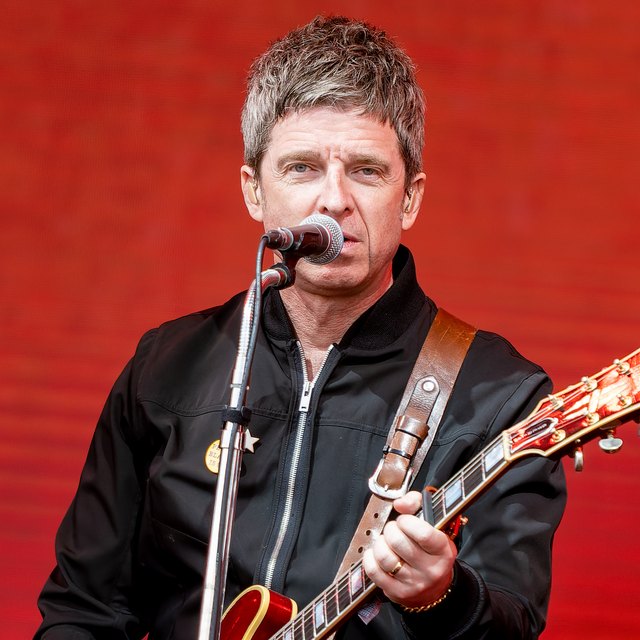
Noel Gallagher on stage. Photo: Raph_PH, CC BY 2.0, via Wikimedia Commons.